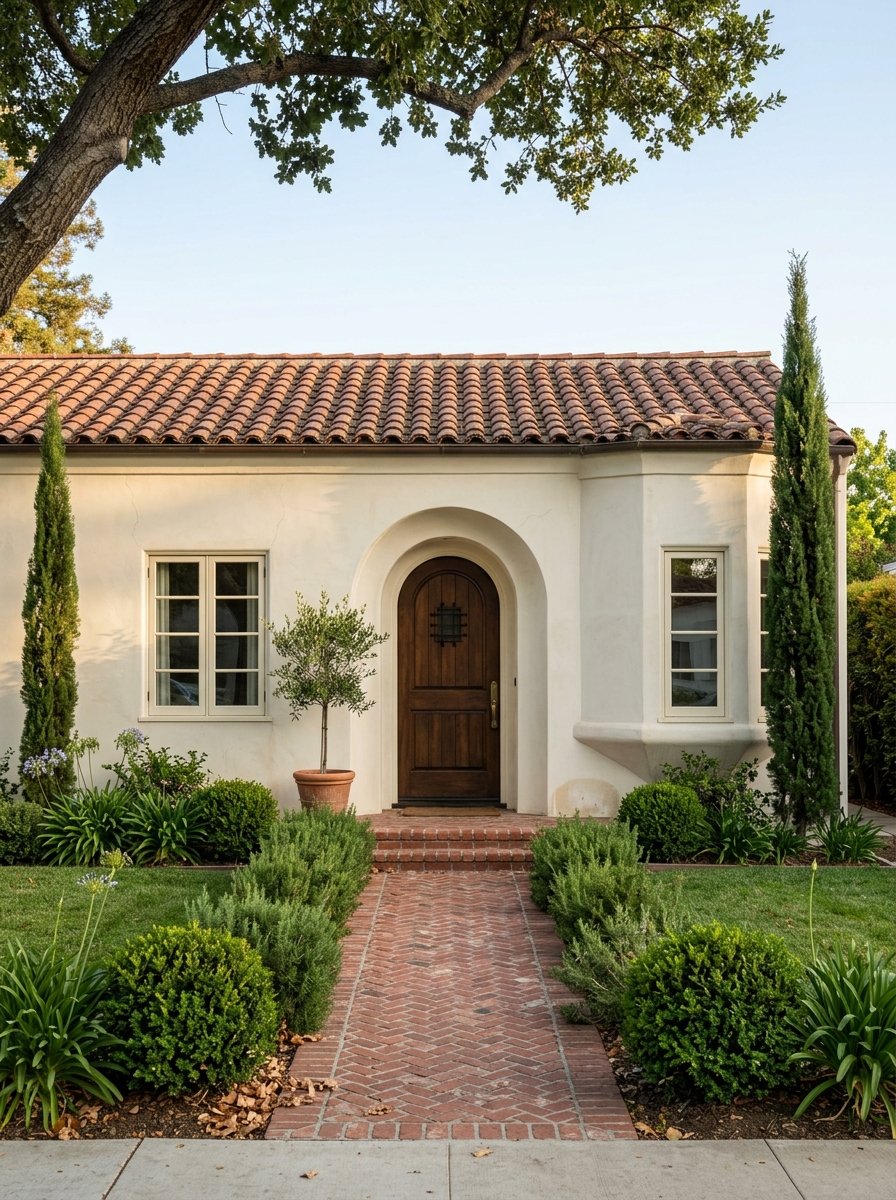
If you have ever wondered why one Hancock Park home commands a premium while another lingers, the answer often starts with character. In this neighborhood, architecture, streetscape, and preservation rules are not side notes. They are part of what buyers are valuing in the first place. If you are buying, selling, or planning updates, it helps to understand how Hancock Park’s historic identity shapes pricing, demand, and market strategy. Let’s dive in.
Why Hancock Park commands attention
Hancock Park stands apart because it is not simply an older Los Angeles neighborhood. It is an official local historic district, known in Los Angeles as an HPOZ, or Historic Preservation Overlay Zone. The City of Los Angeles adopted the Hancock Park HPOZ in 2008 and identifies the neighborhood for its large period-revival homes and highly intact historic fabric.
That level of preservation is not minor. According to the city’s survey, 1,113 of 1,282 structures and sites in Hancock Park are classified as contributing resources, which is about 86%. The neighborhood’s recognized period of significance runs from 1920 to 1956, giving buyers and sellers a clear historic framework that supports its identity.
Historic character is part of the value
In Hancock Park, buyers are often responding to more than square footage. They are reacting to a neighborhood where the homes, lots, setbacks, and overall street rhythm still feel cohesive. That kind of consistency is hard to recreate in central Los Angeles.
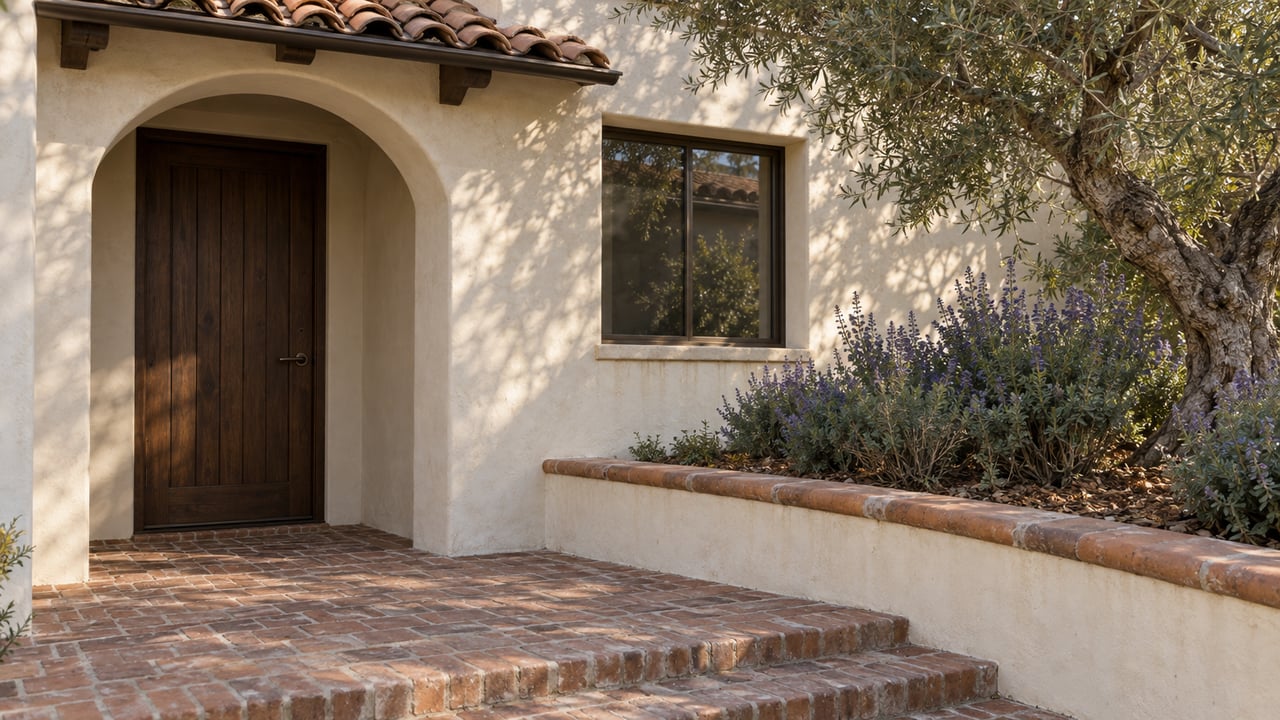
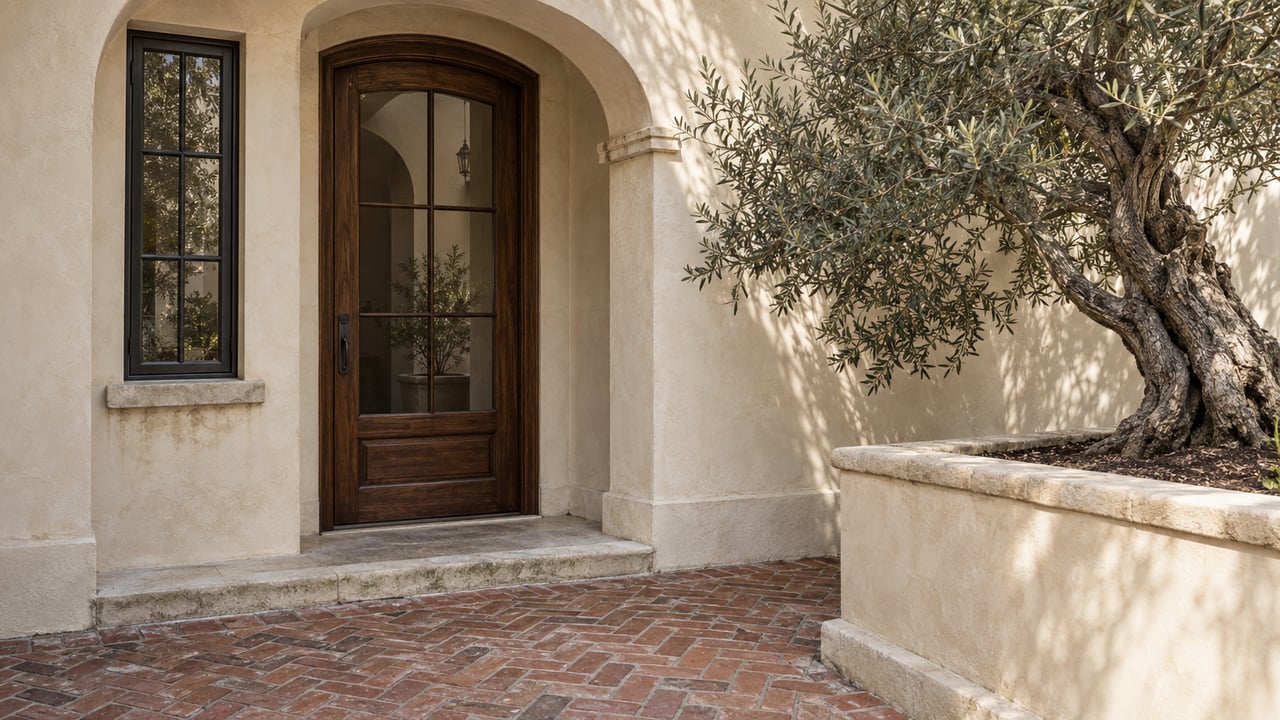
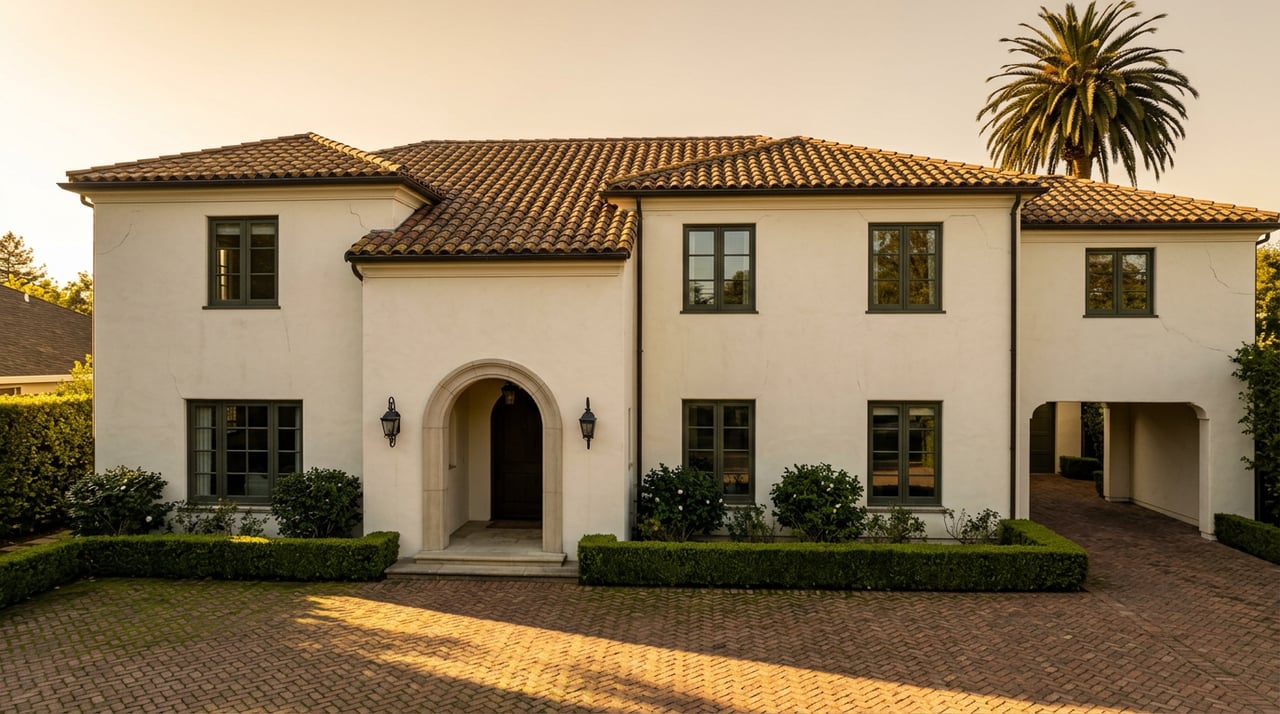
The City of Los Angeles describes Hancock Park through a recognizable mix of Tudor Revival, English Revival, Spanish Colonial Revival, Mediterranean Revival, Monterey Revival, and American Colonial Revival architecture. It also notes common physical traits such as two-story single-family homes, spacious lots, landscaped front yards, side driveways, rear garages, and a strong setback pattern.
When you put those pieces together, you get a neighborhood experience that feels curated by time rather than assembled all at once. For buyers, that can translate into stronger emotional connection and greater confidence in the setting. For sellers, it means the home’s exterior authenticity and relationship to the streetscape often matter as much as interior finishes.
Preservation rules affect home values
Hancock Park’s historic designation does more than describe the neighborhood. It actively shapes what owners can change on the exterior. In practical terms, that has a direct effect on how buyers evaluate future flexibility and how sellers should think about pre-listing improvements.
City Planning states that exterior work in an HPOZ, including landscaping, alterations, additions, and new construction, is subject to added review. Some work can be cleared administratively, while larger changes may go before the district HPOZ Board. Maintenance, repair, rehabilitation, and restoration can often move through a simpler process, but major additions, demolition, or removal of historic features require a higher level of review.
That review structure helps protect the neighborhood’s appearance. It also means that a Hancock Park home is not just a private asset. It is part of a larger preserved environment. Many buyers see that as a strength because it helps protect the visual character around them.
What the city pays attention to
The Hancock Park Preservation Plan gives a clear picture of what matters most in review. The city focuses on architectural design, height, massing, lot coverage, materials, off-street parking, windows, doors, fencing, yards, and setbacks. It also places special emphasis on street-visible facades and rooflines.
That last point is especially important in a neighborhood where exterior form carries so much of the value story. The plan explicitly aims to preserve the visible slope, pitch, and shape of roofs. So when a home retains original exterior details and a compatible roofline, it may be easier for buyers to see both design integrity and long-term neighborhood fit.
Why preserved homes often perform better
In a historic district like Hancock Park, the market often rewards homes that feel authentic and well cared for. A property with intact exterior details, appropriate updates, and a clean preservation history may be easier to position because the value is easier for buyers to understand. The house feels aligned with the neighborhood rather than at odds with it.
The opposite can also be true. Deferred maintenance, intrusive additions, or visible alterations that are hard to reverse can complicate value. Buyers may start factoring in not just renovation cost, but also review requirements, timing, and uncertainty.
This is where architecture and market strategy intersect. In Hancock Park, condition is never just cosmetic. It is part of the larger preservation and pricing conversation.
Historic rules can slow certain projects
One of the biggest misconceptions about historic districts is that they automatically increase value without adding complexity. In reality, Hancock Park’s preservation framework can create friction when owners want to make visible changes before a sale. That does not make the neighborhood less desirable, but it does change how you plan.
If your pre-sale work affects the street-facing facade, roofline, landscaping, or a major addition, timing matters. The HPOZ Board meets twice monthly, and larger projects may need more than a quick signoff. For sellers, that means improvement plans should be treated as part of the listing strategy, not as a last-minute checklist.
The Mills Act can help offset ownership costs
There is an important financial incentive that can matter to owners of contributing properties. The City of Los Angeles identifies the Mills Act as its most significant historic preservation incentive. For qualifying owners of contributing properties within an HPOZ, it may provide a property tax reduction.
That does not remove the cost of maintaining a historic home, but it can help offset preservation-minded ownership over time. For long-term owners, that can be part of the value equation. For buyers comparing Hancock Park with less regulated neighborhoods, it adds useful context.
What current market snapshots show
Recent market snapshots suggest Hancock Park continues to trade as a premium historic submarket, though not always a fast one. Realtor.com reported that as of April 2026, Hancock Park had a median listing price of $2.79 million, 26 active for-sale properties, a median 56 days on market, and homes selling at about 98% of asking price. Median rent was listed at $3,275 per month.
Compared with nearby central Los Angeles neighborhoods, Hancock Park sits in a distinctive position. In the same April 2026 snapshots, Larchmont showed a median listing price of $1.719 million and 33 days on market. Los Feliz showed $2.325 million and 47 days on market, while Beverly Grove showed $1.4725 million and 56 days on market.
The takeaway is clear. Hancock Park appears to support a premium relative to some nearby neighborhoods, but that premium does not guarantee speed. Market time still depends on pricing, condition, presentation, and the specific property type.
Be careful with headline median prices
If you are trying to estimate value in Hancock Park, one neighborhood-wide median number can be misleading. The research shows a major gap between listing-based snapshots and broader all-home-type sales snapshots. For example, a recent Redfin snapshot showed a median sale price of $995,000 and average days on market of 140, which looks dramatically different from Realtor.com’s Hancock Park figures.
That kind of difference likely reflects mixed property types. When condos, apartments, and large single-family homes are all blended together, the headline number can stop being useful. In a neighborhood like Hancock Park, property-type-specific comparisons are usually far more reliable than one broad median.
What this means if you are buying
If you are buying in Hancock Park, you are not just purchasing a home. You are buying into a protected visual environment with established architectural standards. For many buyers, that is exactly the appeal.
It also means due diligence should go beyond inspections and disclosures. You will want to understand whether the property is a contributing resource, what work has been done, whether visible changes align with preservation standards, and how much flexibility you may have if you plan future improvements.
A few buyer priorities tend to matter here:
- Confirm the home’s architectural and preservation context
- Review any visible exterior changes carefully
- Understand that authentic, well-maintained homes may justify stronger pricing
- Factor in review timelines if you plan major exterior work
- Compare value using similar property types, not broad neighborhood medians
What this means if you are selling
If you are selling a Hancock Park home, your strategy should reflect more than comps and square footage. Buyers in this neighborhood often respond to architectural integrity, documentation, and presentation. The story of the house matters because the market sees context as part of value.
That means sellers should think carefully before making visible exterior changes. In some cases, preservation-sensitive preparation and strong presentation will do more for value than a rushed update that creates review issues or weakens architectural coherence.
A smart seller strategy often includes:
- Identifying original exterior features worth highlighting
- Evaluating whether planned improvements need review
- Positioning the home within Hancock Park’s historic context
- Using comparable sales that match the property type and quality level
- Marketing the home to buyers who understand architecture and neighborhood character
Why long-term value often comes back to scarcity
Research on historic districts is mixed, but it often finds that designation can support value when the district’s character is clear and the rules are predictable. Applied to Hancock Park, the long-term story is less about novelty and more about scarcity. There are only so many neighborhoods in central Los Angeles where architecture, lot size, setbacks, and streetscape remain this intact.
That scarcity helps explain why Hancock Park continues to stand out. Buyers are not just paying for old homes. They are paying for a preserved setting that is difficult to duplicate and formally protected through city review.
For many owners, that is the heart of the value proposition. The same rules that limit certain changes are also part of what keeps the neighborhood recognizable and desirable over time.
In a neighborhood like Hancock Park, value is rarely just about finishes or square footage. It is shaped by architecture, consistency, stewardship, and the practical realities of preservation. If you want clear guidance on how historic character affects pricing, preparation, or buying strategy in this market, Barry Gray & Associates can help you make a thoughtful next move.
FAQs
How does historic designation affect Hancock Park home values?
- Historic designation helps protect Hancock Park’s architectural character and streetscape, which can support value by preserving the qualities many buyers are paying for.
What exterior changes are reviewed in Hancock Park?
- In the Hancock Park HPOZ, exterior work such as landscaping, alterations, additions, and new construction is subject to city review, with some projects handled administratively and others reviewed more formally.
Why do some Hancock Park homes sell more slowly?
- Current market snapshots suggest Hancock Park can command premium pricing, but homes may still take time to sell depending on condition, price point, presentation, and property type.
What is the Mills Act for Hancock Park homeowners?
- The Mills Act is a historic preservation incentive identified by the City of Los Angeles that may provide a property tax reduction for qualifying owners of contributing properties within an HPOZ.
How should buyers compare Hancock Park home prices?
- Buyers should compare similar property types and quality levels, since broad neighborhood median prices can be distorted when very different housing types are blended together.
What should sellers highlight in a Hancock Park listing?
- Sellers should emphasize architectural integrity, original exterior details, preservation-sensitive improvements, and the home’s fit within Hancock Park’s historic context.