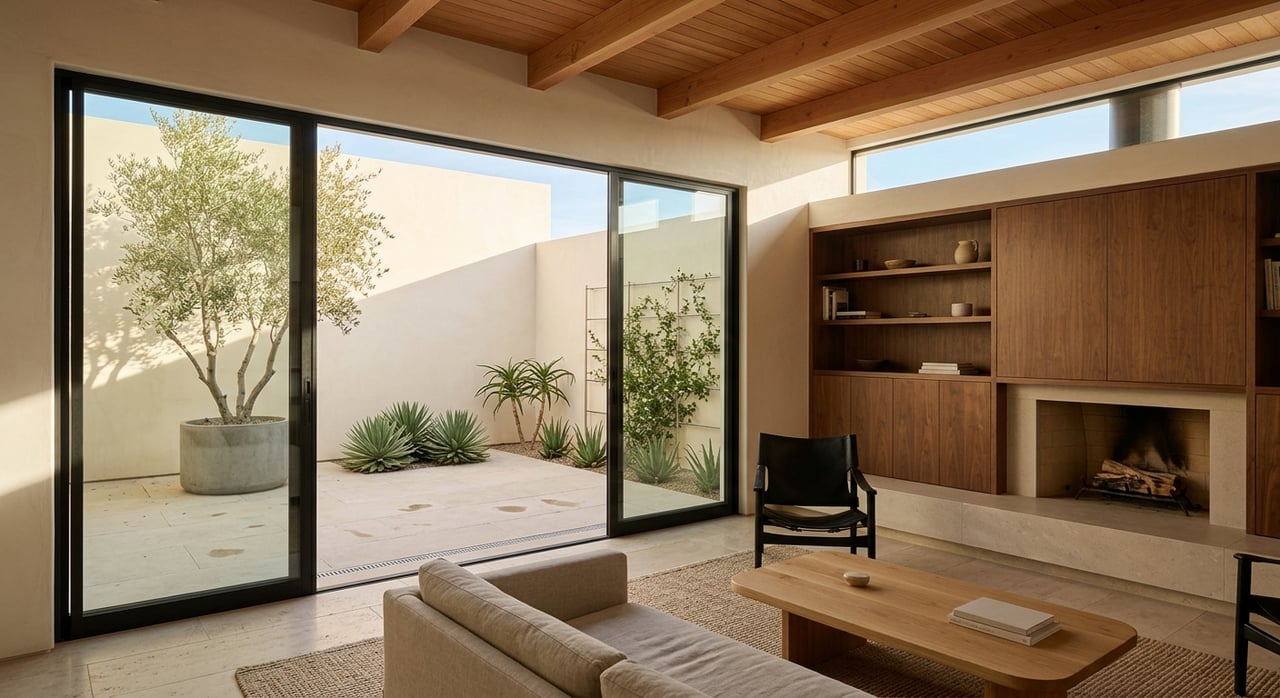
What makes an architect-designed home in Beverly Hills harder to sell, and more valuable, at the same time? It is not just the square footage, address, or finishes. In this market, a home’s design pedigree, preservation status, and documented history can shape how buyers see its value from day one. If you are preparing to sell, understanding how to position those details can help you protect the home’s story and improve your result. Let’s dive in.
Why architect-designed homes sell differently
In Beverly Hills, architecture is not a footnote. The city has a formal preservation framework that recognizes architectural significance as part of a property’s identity and value.
A landmark in Beverly Hills generally must be at least 45 years old, or be of extraordinary significance, while also meeting standards tied to artistic value, integrity, and continued historic value to the community. The city also recognizes exceptional works by master architects and iconic properties, which helps explain why provenance carries real weight in this market.
That matters when you sell because buyers of architect-designed homes are often evaluating more than layout and location. They may also care about authorship, original design intent, renovation quality, and whether the property has a recognized place in Beverly Hills architectural history.
The city’s preservation process also adds another layer of importance. The Community Development Department and Cultural Heritage Commission are involved in landmark designation, Mills Act applications, and other preservation issues, which means your home’s permit history and preservation status should be treated as core listing information, not background detail.
Build your provenance file early
Before your home goes on the market, it helps to assemble a clear and organized provenance file. For an architect-designed property, this is one of the most important steps in the selling process.
A strong file should include key facts such as:
- Original architect or builder
- Year built
- Major remodels or additions
- Awards or notable recognition
- Press coverage
- Landmark designation status
- Mills Act status, if applicable
- Relevant permit and planning records
In Beverly Hills, the Property Information Portal is a useful starting point for research. You can search by address, APN, or permit number, and the portal includes building construction permits from 1989 to the present and planning applications from 2000 to the present.
If you need official copies of public records, the city notes that those require a public records request. That extra step is worth planning for early, especially if you want your listing package to feel complete and credible once marketing begins.
Why documentation influences buyer confidence
When a home has architectural significance, buyers often want proof behind the story. A beautifully written listing can spark interest, but documented facts help support value and reduce uncertainty.
If the property has designated historic status, a Historic Incentive Permit, or a Mills Act contract, those details should be gathered and explained before launch. The city’s Mills Act process includes public review and recording, followed by submission to the county assessor, so buyers need a clear picture of what exists, what is recorded, and what transfers with the sale.
Present the architecture, not just the house
Luxury presentation always matters, but with an architect-designed home, presentation should reveal the architecture rather than compete with it. The goal is to help buyers understand what makes the property special the moment they walk in or view it online.
National staging data shows why this matters. NAR reports that 83% of buyers’ agents say staging helps buyers visualize a home as their future property, and about half of real estate professionals said staging reduced time on market.
For a design-led property, the most effective staging is often selective. Open sightlines, restrained furnishings, and a focus on original materials can help buyers notice the lines, proportions, light, and spatial flow that define the home.
What selective staging can do well
A thoughtful presentation strategy often emphasizes:
- Original architectural features
- Natural light and views
- Room-to-room flow
- Scale without crowding the space
- Materials such as wood, stone, plaster, or steel
In other words, you want buyers to experience the architecture clearly. Furniture and styling should support that experience, not overwhelm it.
Make the online presentation count
Most buyers begin online, and design-conscious buyers tend to study listings closely. That means your digital presentation has to do more than look attractive. It needs to be accurate, informative, and visually disciplined.
NAR’s 2024 buyer trends report found that among buyers who used the internet, 66% rated photos as very useful, 65% valued detailed property information, 47% valued floor plans, 33% found virtual tours very useful, 32% wanted neighborhood information, and 21% valued videos. In a separate 2025 NAR profile, 81% of buyers said listing photos were the most useful feature in their online search.
For an architect-designed Beverly Hills home, that suggests a few priorities. Strong photography matters, but so do floor plans, clear property details, and a presentation that gives buyers context for how the home lives.
Use images carefully and truthfully
In California, real estate advertising must be truthful, accurate, and not misleading. The California Department of Real Estate has also stated that beginning January 1, 2026, digitally altered images in real estate advertising require clear disclosure, and the original unaltered image must be made available to consumers.
That is especially important for architect-designed listings. Heavy retouching, overly aggressive virtual staging, or edits that distort condition, scale, or materiality can undermine trust and create problems later.
A better approach is simple:
- Use high-quality photography that reflects the property honestly
- Disclose any digitally altered images clearly
- Avoid edits that change condition or dimensions
- Show materials, light, and spatial relationships as they are
Price with precision, not hope
Architect-designed homes can command strong interest, but they still need disciplined pricing. In Beverly Hills, rarity does not remove the need for strategy.
Recent market data from Realtor.com showed that as of April 2026, the median listing price in Beverly Hills was $6.275 million, median days on market were 61, and homes sold for 94% of list price on average in March 2026. That points to a premium market, but also one where buyers have room to evaluate carefully.
For a one-of-one property, overpricing can work against you. The buyer pool is often narrower, more informed, and more selective, so a price that ignores current market conditions can reduce urgency instead of creating it.
Why architecturally significant homes need custom positioning
A generic pricing formula rarely works well for a home with real design pedigree. The right strategy usually balances several factors at once:
- Current Beverly Hills market conditions
- The home’s architectural significance
- Design integrity and condition
- Provenance and documentation
- Preservation status, if any
- Buyer demand for this style and price point
This is where thoughtful positioning matters most. A home should be presented as a documented architectural asset, but still priced within the reality of the market you are entering.
Target the right buyers
Not every luxury buyer is the right buyer for an architect-designed property. Some buyers respond to square footage and amenities first. Others are drawn to design authorship, originality, and cultural relevance.
Your marketing should be built for the second group without excluding the first. Detailed property information, floor plans, virtual tours, and neighborhood context all support that effort because they help serious buyers understand both the home and its setting.
NAR’s 2024 seller profile found that 90% of sellers used a real estate agent or broker, and sellers said they most wanted help pricing competitively, marketing the home, finding a qualified buyer, and selling within a specific timeframe. For a design-led home in Beverly Hills, qualified buyer outreach matters because appreciation for the asset is part of what drives a strong sale.
Prepare disclosures before launch
For Beverly Hills sellers, compliance is not something to handle at the last minute. A pre-listing review can help you market the home with more clarity and reduce surprises once you are in contract.
California sellers must provide the Transfer Disclosure Statement and Agency Relationship Disclosure. Sellers must also provide a Natural Hazard Disclosure Statement if the property lies within a state-mapped hazard area, such as a seismic hazard zone.
If the home was built before 1978, federal law requires disclosure of known lead-based paint and lead-based paint hazards before a contract is signed. Buyers must also receive the required information pamphlet and an opportunity for inspection.
Beverly Hills preservation items to confirm
Before marketing begins, it is smart to confirm whether the home:
- Is on the Beverly Hills Local Register
- Is a designated landmark
- Has a Mills Act contract
- Has preservation-related permits or approvals in the file
These facts can affect value, buyer expectations, and how the home should be presented. In Beverly Hills, the cleanest path is to verify status early through the city’s preservation staff, Planning Division, and Property Information Portal.
Sell the story with substance
The best marketing for an architect-designed home in Beverly Hills does not rely on hype. It combines facts, presentation, and strategy in a way that helps buyers understand why the property matters.
That means your sale should tell a complete story. Who designed the home? What has been preserved? What has been updated? What is documented? How does the architecture connect to the property’s value today?
When you answer those questions well, you are not just listing a residence. You are presenting a meaningful piece of architecture with the clarity and care it deserves.
If you are preparing to sell an architect-designed home in Beverly Hills, working with a team that understands provenance, presentation, and preservation can make a real difference. To start the conversation, schedule a free consultation with Barry Gray & Associates.
FAQs
What makes selling an architect-designed home in Beverly Hills different?
- Beverly Hills places real importance on architectural significance, preservation status, and documented history, so buyers often evaluate provenance, integrity, and design pedigree alongside typical market factors.
What should a Beverly Hills provenance file include before listing?
- A strong provenance file should include the original architect or builder, year built, major remodels, awards, press coverage, landmark or Mills Act status, and relevant permit or planning records.
How should you stage an architect-designed home in Beverly Hills?
- The most effective approach is usually selective staging that keeps sightlines open, supports scale, and highlights original materials and architectural features rather than distracting from them.
What online listing features matter most for Beverly Hills design-led homes?
- High-quality photos, detailed property information, floor plans, virtual tours, and clear neighborhood context can help serious buyers understand both the architecture and the property itself.
What disclosures should Beverly Hills sellers review before marketing a home?
- Sellers should prepare California-required disclosures such as the Transfer Disclosure Statement and Agency Relationship Disclosure, review natural hazard requirements, and address lead-based paint disclosure if the home was built before 1978.