If your work runs on ideas, routine matters more than people think. You need a neighborhood that makes it easier to shift between focus, meetings, movement, and downtime without feeling cut off from the rest of Los Angeles. In Studio City, that balance is a big part of the appeal. You get a mix of boulevard energy, residential calm, canyon access, and practical proximity to major studio infrastructure. Let’s dive in.
Studio City has a creative rhythm
Studio City was conceived in 1926 as a combined studio, commercial development, and residential subdivision. That origin still shows up in how the neighborhood feels today, with a working connection between production spaces, Ventura Boulevard commerce, and nearby homes.
For a creative professional, that matters because the neighborhood does not feel like a place built around just one use. It supports different parts of your day. You can move from a coffee meeting to a grocery stop to an evening dinner plan, then be back on a quieter residential street within minutes.
Ventura Boulevard shapes daily life
The clearest day-to-day center of Studio City is Ventura Boulevard. The City of Los Angeles PBID plan defines the commercial core along Ventura-facing parcels from Sportsmen’s Lodge at Coldwater Canyon to CBS Studio Center at Carpenter Avenue, with a mix of retail, office, grocery, restaurants, banks, auto service, entertainment offices, parking, hotel, and film-lot uses.
In practical terms, that means your errands and casual meetups tend to cluster along a recognizable spine. The neighborhood’s most amenity-rich and pedestrian-oriented stretch is here, while nearby blocks transition fairly quickly into more residential areas.
That contrast is part of Studio City’s appeal. You can enjoy the convenience of Ventura Boulevard without feeling like you live in a fully commercial district. For many buyers and renters in creative fields, that mix can feel more livable than neighborhoods that stay busy in every direction.
Coffee culture fits flexible workdays
If your schedule includes writing sessions, calls between appointments, or informal meetings, Studio City gives you several coffee options on or near Ventura Boulevard. Current spots noted in the research include Philz Coffee, Bluestone Lane at 12186 Ventura Blvd in the Silver Triangle, and Coffee & Matcha at 12334 Ventura Blvd near Universal and the 101.
Philz specifically presents its Studio City location as a place to linger, work, and socialize. That detail says a lot about how the neighborhood functions. For creatives, coffee shops are often less about caffeine and more about having a reliable third place between home and office.
Dining makes the neighborhood easy to use
Studio City also supports the kind of flexible dining rhythm many creative professionals want. You can find a quick lunch, a casual dinner, or a more sit-down option without leaving the neighborhood core.
Examples in the area include Sweetfin at Ventura and Laurel Canyon, Teru Sushi at 11940 Ventura Blvd, and Terra e Mare west of Coldwater Canyon. That range adds convenience to busy days, especially when your schedule changes quickly or your work hours do not look like a standard nine-to-five.
Sundays feel local at the farmers market
One of the most grounded parts of life in Studio City is the Sunday farmers market. The Studio City Farmers Market runs Sundays from 8 a.m. to 1 p.m. on Ventura Place between Radford and Laurel Canyon, with free parking at the Radford Studio Center Sater Parking Garage.
The market describes itself as a community gathering place for locally grown produce and artisanal foods. For many residents, that kind of recurring routine helps a neighborhood feel personal instead of transactional. If you spend much of the week working on deadlines, sets, shoots, edits, or meetings, a consistent weekend ritual can be a real quality-of-life advantage.
Canyon access changes the pace
A major reason Studio City stands out is that it is not just about Ventura Boulevard. The neighborhood also offers access to meaningful outdoor space, which can be especially valuable if your work is screen-heavy, deadline-driven, or highly social.
Fryman Canyon Park offers 122 acres, city views, a fitness course, and access to the Betty B. Dearing Cross Mountain Trail. Wilacre Park provides access to the same trail system, plus parking, restrooms, drinking fountains, picnic tables, dog access, and bus accessibility.
According to MRCA, the main trail from Wilacre is wide, easy after an initial climb, and well-shaded. That kind of trail access gives Studio City a different feel from neighborhoods that offer convenience but less room to reset.
The trail system is broader than one park
The outdoor experience here is not limited to one trailhead. The Betty B. Dearing trail system links Wilacre, Fryman Canyon, Coldwater Canyon Park, and Franklin Canyon. Nancy Hoover Pohl Overlook adds another access point with views and a fitness course.
For creatives, this can be a serious lifestyle perk. A neighborhood that lets you clear your head before a pitch, after a long production day, or on a slower weekend can support your work indirectly by supporting your routine.
Studio proximity is a real advantage
For people working in entertainment and related creative industries, Studio City’s geography is part of the draw. CBS Studio Center is at 4024 Radford Avenue in Studio City, Universal Studios Hollywood is at 100 Universal City Plaza in nearby Universal City, and Warner Bros. Studio Tour is at 3400 Warner Blvd. in Burbank.
Metro also identifies the Universal City/Studio City station area as served by the B Line and local bus service. Depending on where you work and how you commute, that can add flexibility to your weekly routine.
This does not mean every creative who lives in Studio City works on a lot. It means the neighborhood sits close to a meaningful cluster of studio infrastructure, which can make day-to-day logistics easier for many people in entertainment, media, and adjacent fields.
Housing feels layered, not one-note
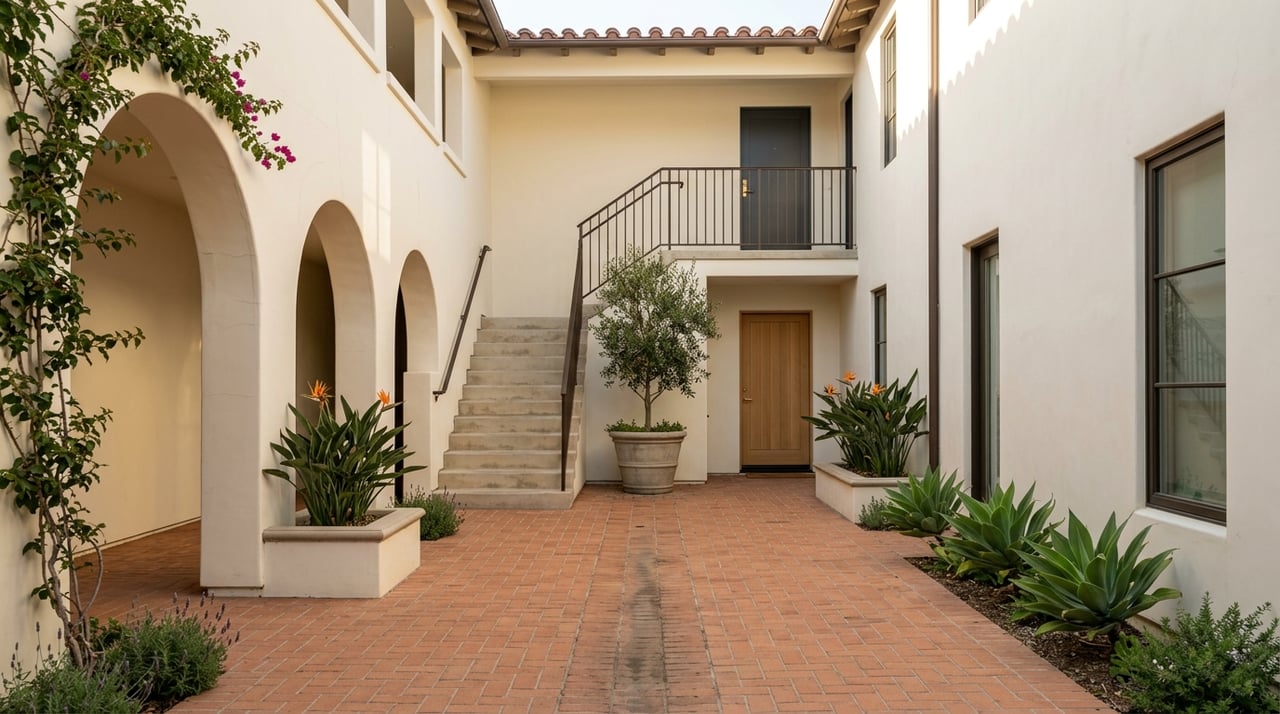
One reason Studio City appeals to design-aware buyers is that the housing stock is not defined by a single era. The City’s historic resources survey documents examples of Spanish Colonial Revival, Mid-Century Modern, dingbat apartments, and late-modern commercial architecture in the area.
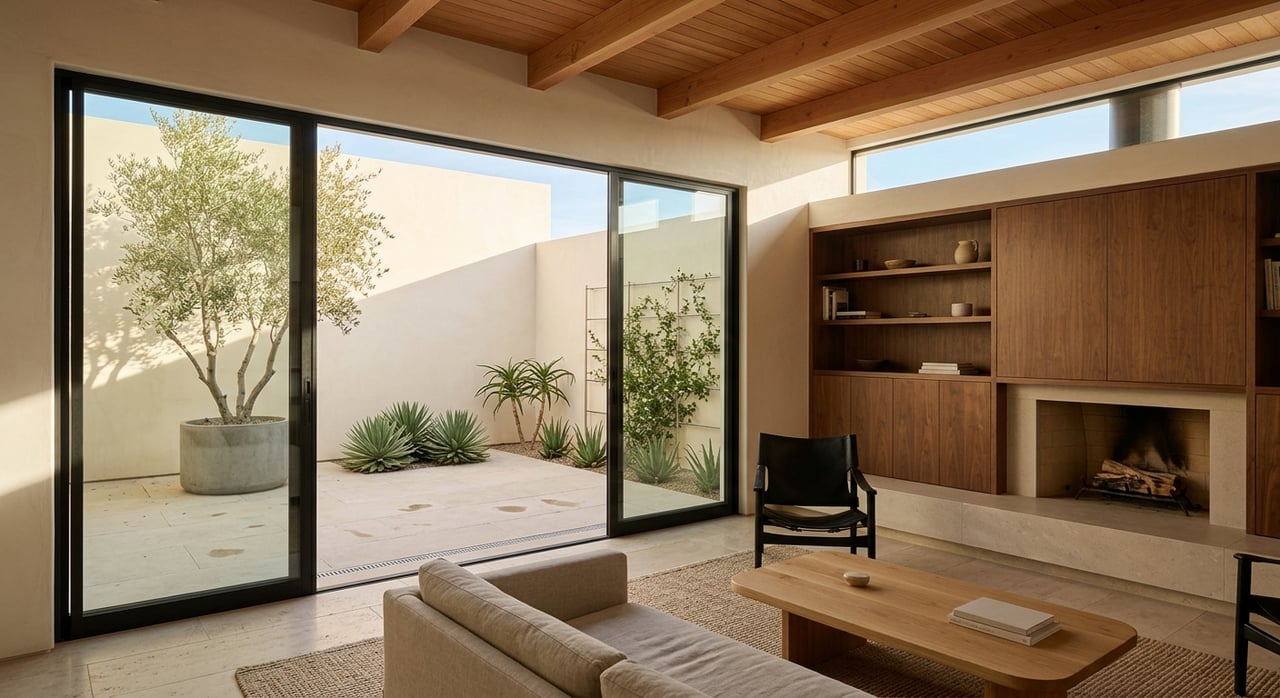
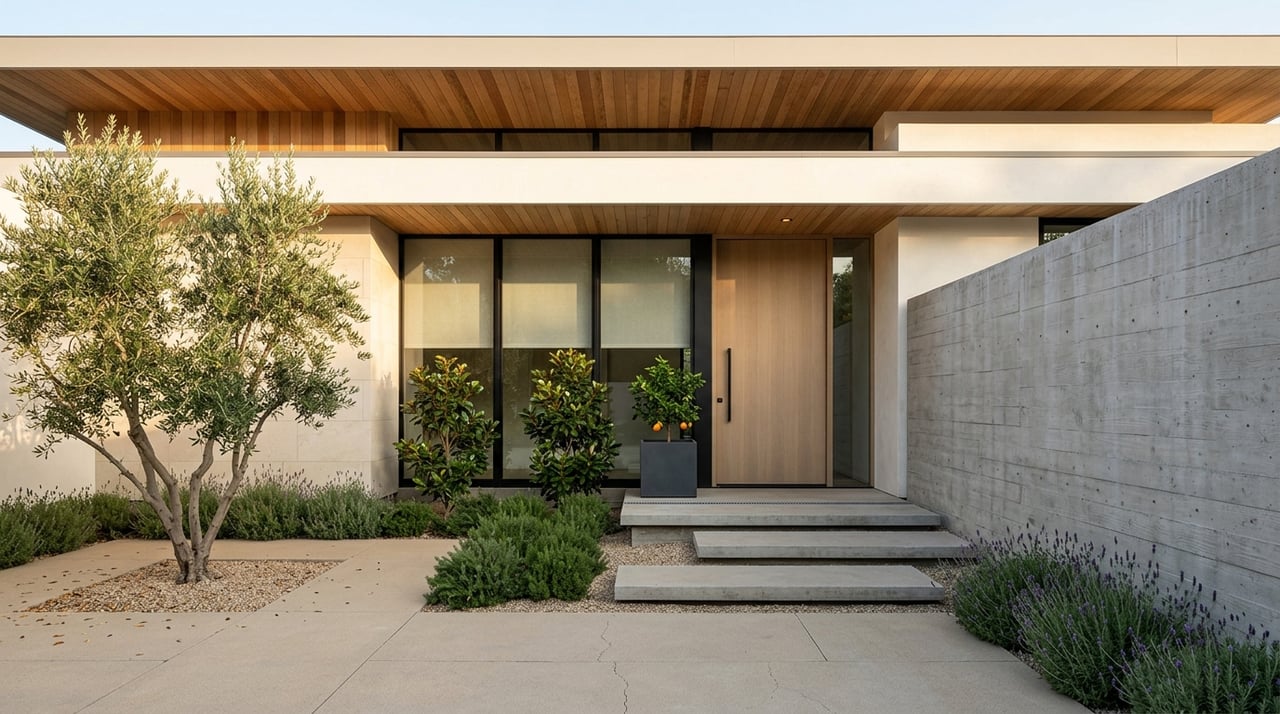
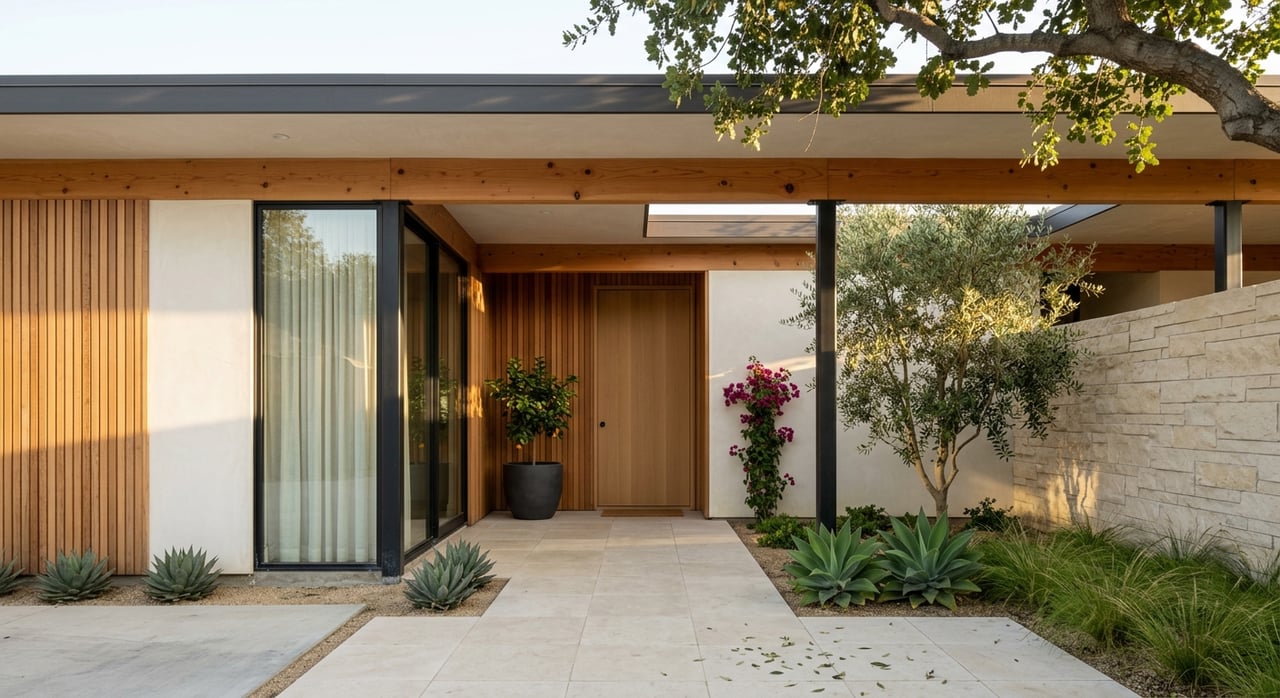
That layered built environment gives the neighborhood more texture than places dominated by one housing type. It also supports a wider range of living styles, from apartment and condo living near Ventura Boulevard to character homes and more private hillside-adjacent properties.
A broader Valley historical report also notes that later urbanization brought apartments and condominiums into neighborhoods including Studio City. So if you are trying to picture the housing landscape, it is more accurate to think of Studio City as mixed rather than uniform.
Design-conscious buyers will notice the details
For buyers who care about architecture, Studio City can be especially interesting because the neighborhood tells its history through its built form. The 1938 Studio City Theater, described in the historic survey as a Fox-built neighborhood movie theater, is one example of that layered identity.
If you are drawn to homes with character, proportion, and a sense of place, Studio City offers more nuance than a quick drive-through might suggest. That makes local guidance especially useful when you are trying to match your lifestyle with the right pocket of the neighborhood.
Cost is part of the conversation
Studio City is a high-cost market, and that should be part of any realistic housing plan. Zillow reported an average home value of $1.60 million in late April 2026, while Redfin reported a median sale price of $1.97 million last month.
Those are different measurements, so they are not directly interchangeable. Still, both point to the same takeaway: buying in Studio City typically means entering a premium price tier.
For some buyers, that price point is justified by the combination of location, housing character, studio proximity, and access to both urban amenities and outdoor space. The key is understanding which part of Studio City fits your priorities before you start comparing homes.
What living here really feels like
If you are a creative professional, living in Studio City often means choosing balance over extremes. You are not picking a neighborhood that is only nightlife, only residential, or only work-oriented. You are choosing a place where several parts of life can sit close together.
You can have a weekday built around coffee meetings, practical errands, and studio access, then shift into a quieter evening on a residential street. You can have a Sunday market routine and still get onto a canyon trail when you need space. That combination is what gives Studio City its staying power.
Who Studio City tends to suit
Studio City can work well for several kinds of buyers and renters in creative fields, including:
- People who want Ventura Boulevard convenience close to coffee, dining, and everyday errands
- Buyers who value a neighborhood with a layered architectural feel rather than a single housing era
- Residents who want access to trails and outdoor time without giving up city convenience
- Entertainment and media professionals who benefit from proximity to major studio areas
- House hunters looking for a neighborhood that feels active in some pockets and more private in others
The right fit often comes down to how you want your days to function. In Studio City, location within the neighborhood matters almost as much as the neighborhood itself.
If you are exploring Studio City with an eye for architecture, daily livability, and long-term fit, working with a team that understands neighborhood context can make the search more focused and less reactive. Barry Gray & Associates brings a design-aware, strategic approach to Los Angeles real estate and can help you evaluate which homes and pockets of Studio City align with how you actually want to live.
FAQs
What is Studio City like for creative professionals?
- Studio City offers a mix of Ventura Boulevard amenities, residential streets, canyon access, and proximity to major studio areas, which can suit flexible and fast-changing work routines.
Where is the main commercial area in Studio City?
- The main commercial core is along Ventura Boulevard, generally stretching from Sportsmen’s Lodge at Coldwater Canyon to CBS Studio Center at Carpenter Avenue, according to the City of Los Angeles PBID plan.
Does Studio City have good coffee shops and casual meeting spots?
- Yes. Current options mentioned in the research include Philz Coffee, Bluestone Lane, and Coffee & Matcha, all on or near Ventura Boulevard.
What outdoor access does Studio City offer?
- Studio City offers access to Fryman Canyon Park, Wilacre Park, the Betty B. Dearing Cross Mountain Trail, and the Nancy Hoover Pohl Overlook area, with views, fitness features, and linked trail connections.
Is Studio City close to major studios?
- Yes. CBS Studio Center is in Studio City, Universal Studios Hollywood is nearby in Universal City, and Warner Bros. is in Burbank.
What types of homes are found in Studio City?
- The neighborhood includes a mix of housing and architecture, with examples of Spanish Colonial Revival, Mid-Century Modern, dingbat apartments, and later residential forms such as apartments and condominiums.
Is Studio City expensive to buy in?
- Studio City is generally considered a high-cost market, with recent data in the research showing an average home value of $1.60 million from Zillow and a median sale price of $1.97 million from Redfin.
Is Studio City walkable everywhere?
- Not uniformly. The Ventura Boulevard and Ventura Place core is the most amenity-rich area, while surrounding blocks shift more quickly into residential and canyon-adjacent pockets.