A seller on a quiet street north of Montana Avenue is weighing two offers this month. One comes in at $7,950,000. The other, from a buyer who fell for the house and doesn't want to lose it, comes in at $8,150,000. On paper the second offer looks better by $200,000. Run both through Santa Monica's transfer tax and the math flips entirely. The seller who takes the higher offer walks away from closing with roughly $208,700 less than the one who took the lower number.
That isn't a rounding error or a quirk of one escrow. It's Measure GS, the city's own transfer tax on real estate sales of $8 million or more, doing exactly what it was built to do. Understanding how it works, and where in Santa Monica it actually bites, matters more right now than watching the citywide median price, which tells you almost nothing about what a specific block is worth once this line enters the conversation.
A Tax That Doesn't Care About Marginal Dollars
Most taxes work on a marginal basis. Cross into a higher income bracket and only the dollars above the line get taxed at the new rate. Santa Monica's transfer tax works differently. Once a sale price reaches $8 million, the city taxes the entire purchase price at 5.6 percent, not just the portion above the threshold. Below that line, the combined city and county rate is 0.6 percent for sales between $5 million and just under $8 million, and 0.3 percent for anything under $5 million.
Go back to the example above. A home selling for $7,950,000 owes roughly $47,700 in combined transfer tax. Push the price to $8,150,000 and the tax jumps to about $456,400. That $200,000 in additional sale price costs the seller more than $408,000 in extra tax, which is how a buyer's generous final offer can end up being the worst outcome available.
Voters approved Measure GS in November 2022 as the "Funding for Homelessness Prevention, Affordable Housing, and Schools" initiative. It took effect March 1, 2023, and city estimates put annual revenue at roughly $50 million, split between homelessness and affordable housing programs and the Santa Monica-Malibu Unified School District.
| Sale price | Combined transfer tax rate |
|---|---|
| Under $5,000,000 | 0.3% |
| $5,000,000 to $7,999,999 | 0.6% |
| $8,000,000 and above | 5.6% on the full price |
Why North of Montana Feels This the Most
Not every Santa Monica neighborhood lives near this wall. North of Montana, the enclave of architecturally distinct single-family homes above Montana Avenue, is where the $8 million line stops being background noise. Sales there routinely run from the low four millions past ten million, which means a meaningful share of the neighborhood's inventory sits within a few hundred thousand dollars of the threshold in either direction. Earlier this year, the sub-area was working with under two months of inventory, and well-presented, move-in ready listings were going to escrow in under three weeks. In a market that tight, an agent isn't just pricing against the comps down the street. They're pricing against a fixed legal number that can erase a six-figure gain in a single incremental offer.
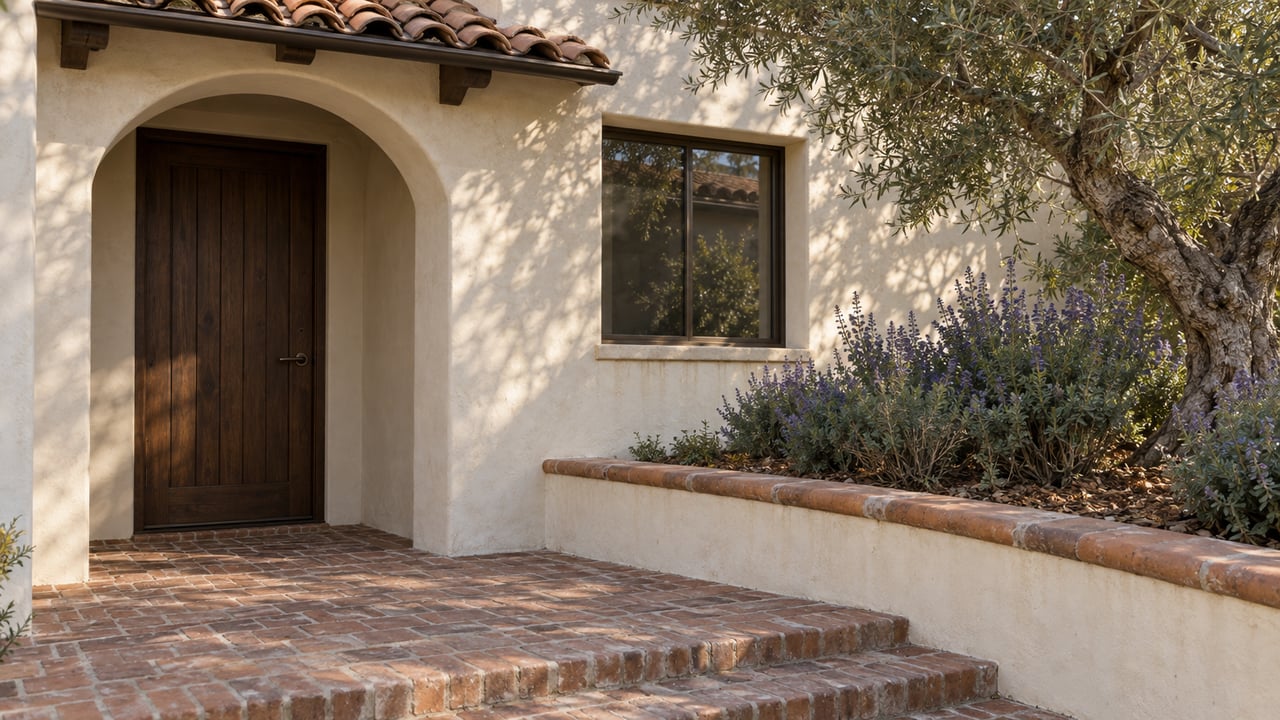
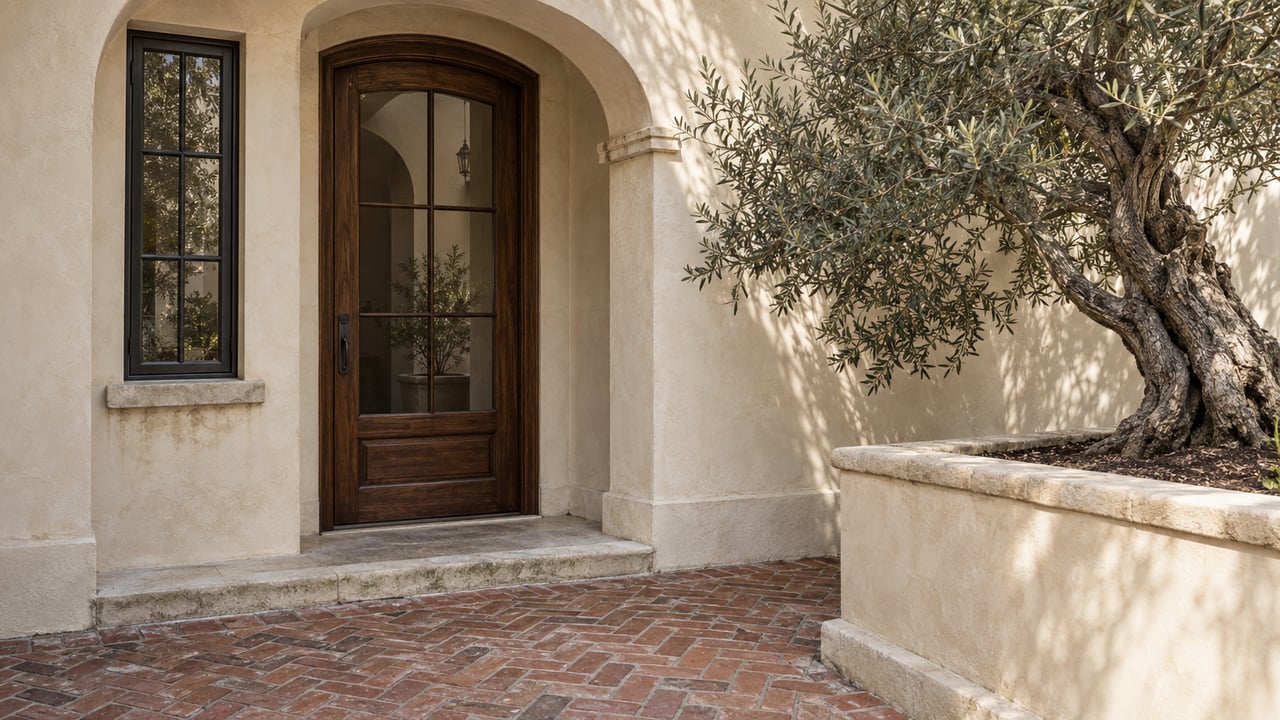
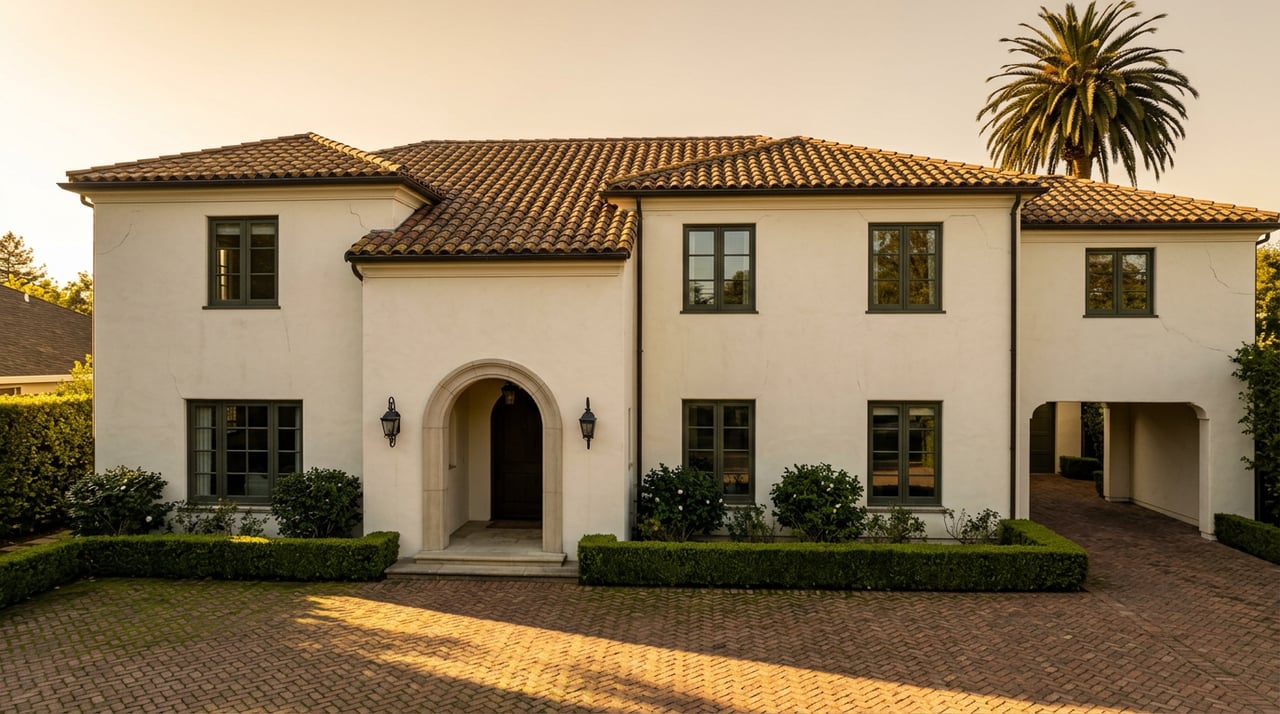
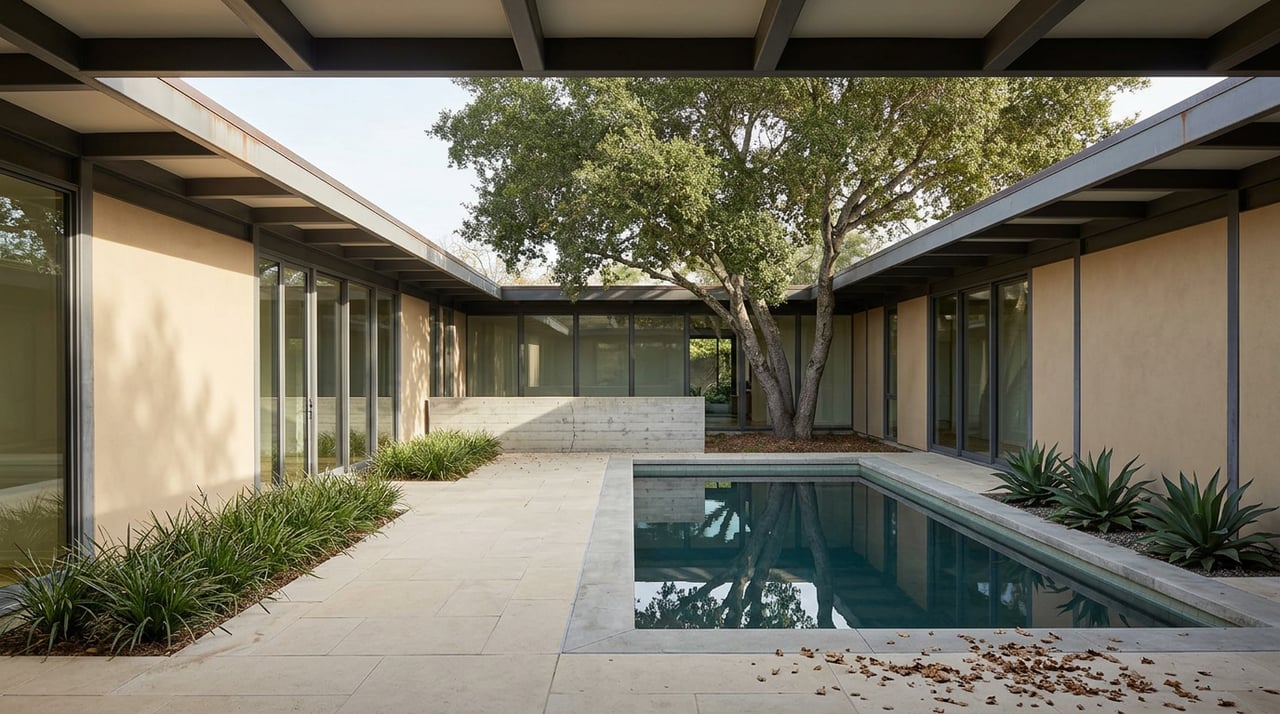
This is where presentation and architecture intersect with tax strategy in a way a generic pricing conversation misses. A property with real pedigree, a Spanish Colonial with intact original details or a documented mid-century post-and-beam, can often support a price meaningfully above $8 million on pure design merit. The right question isn't what the house is worth in a vacuum. It's whether pricing just under the line and inviting a faster, cleaner close nets more than chasing the higher number. Those are two different strategies, and only one of them shows up if you're only looking at comparable sales.
Sunset Park Isn't Playing This Game At All
A few miles south, near Pico Boulevard, Sunset Park tells a different story entirely. Single-family sales there were running around a $2.5 million median earlier in 2026, up sharply from the year before, driven in part by demand for flat, lower-density lots and by the city's long-term plan to convert Santa Monica Airport land into public open space. At that price point, Measure GS never enters the pricing conversation. A seller in Sunset Park and a seller north of Montana Avenue are operating in two functionally different tax regimes inside the same city limits, which is exactly why a single citywide median price flattens two markets that behave nothing alike.
This Isn't Just a Santa Monica Story
Los Angeles ran the same experiment first with Measure ULA, its own transfer tax on sales above roughly $5.3 million as of mid-2025. A Hanson Bridgett legal analysis points to UCLA research finding that properties became about 55 percent less likely to sell above that threshold once the tax took effect. Two cities, two differently priced cliffs, and the same seller behavior: list under the line whenever the math allows it. In the year after Measure GS took effect in March 2023, the number of Santa Monica residential sales above $8 million fell by roughly half, and multi-unit and commercial deals above the line dropped even more sharply. That's what happens when a fixed dollar amount, rather than a percentage, decides how much of a sale disappears in tax.
The Line Might Move Before Your Escrow Closes
Measure GS has no expiration date on paper, but it isn't settled the way a zoning map is settled. As of this writing the 5.6 percent tier remains active, and it's still the law a seller near the threshold has to plan around today. Two things are worth tracking if a sale is anywhere close to $8 million this year. An earlier push to exempt multifamily buildings from the third tier, tied to a former Santa Monica mayor, failed to qualify for the 2024 ballot but could resurface for a future election, potentially including November 2026, according to industry reporting from earlier this year. Separately, a statewide ballot measure aimed at limiting local governments' ability to levy transfer taxes has been circulating through 2026, and reporting from February 2026 flagged that the roughly $50 million a year Measure GS is projected to raise could be at risk if that measure qualifies and passes in November.
None of this changes what a seller owes at closing today. It does mean that timing a listing near the threshold is no longer a purely a market decision. It's also a question of which version of the ordinance will still be on the books when escrow actually closes.
There's one more wrinkle worth knowing if a transfer involves a trust or an estate rather than an open-market sale. Measure GS carves out specific exemptions:
- Transfers between spouses, including divorce settlements
- Transfers into a living trust where beneficial ownership does not change
- Sales to qualifying nonprofit affordable housing developers or community land trusts
A transfer that looks like a sale on paper isn't automatically subject to the third tier, which matters enormously for families handling an inherited property or restructuring ownership ahead of a future sale.
What This Actually Means for Pricing a Home Here
The lesson isn't that every seller near $8 million should chase a lower number. Sometimes the higher offer is still the right one, especially if a buyer is willing to structure the deal to offset the tax difference, which happens more often once both sides understand the mechanism. The lesson is that a listing strategy built only on square footage and recent comps is incomplete once a property sits within striking distance of this line. The question to answer before setting an asking price isn't what the house is worth on its own. It's what the house is worth after the transfer tax has taken its cut, and whether a small adjustment in list price could protect a six-figure sum at the closing table.
A Few Questions Worth Answering Directly
Does the 5.6 percent rate apply only to the amount above $8 million? No. Once a sale reaches $8 million, the entire purchase price is taxed at the higher rate, not just the portion above the threshold.
Is Measure GS an annual tax, like property tax? No. It's a one-time transfer tax paid at the close of escrow, not a recurring assessment.
Does moving a home into a family trust trigger the tax? Not automatically. Transfers into a living trust where beneficial ownership doesn't change are exempt, though every situation is specific enough to warrant a conversation with a tax professional before assuming an exemption applies.
Could this tax go away before I sell? It's possible but not guaranteed. A statewide ballot measure is circulating as of 2026, and an earlier local push to exempt multifamily buildings could also resurface for a future ballot. Either one could change the picture for future sales, though neither has taken effect.
If you're weighing a sale anywhere near this threshold, or trying to figure out what your architecturally significant Santa Monica property is actually worth once the tax math is factored in, Barry Gray & Associates can walk through the numbers with you before you set an asking price. Schedule a Free Consultation to talk through pricing strategy while there's still time to choose it.